 Top Three Mistakes People Make While Downsizing
Are you thinking about purchasing a smaller home for your retirement years? While you may be thrilled about starting a new chapter in your life, you may be quite nervous about what seems like the monumental task of downsizing. You are not alone! Many folks want to live more simply, but putting it into practice can be quite another story. One Easy Tip: Just get rid of things that don’t bring you joy. But what happens when you’ve created a home and a life that’s full of things that bring you joy? You simply can’t take it all with you! Downsizers typically make the following Top Three Mistakes when moving into a smaller space.
They Neglect to Consider Their New Lifestyle
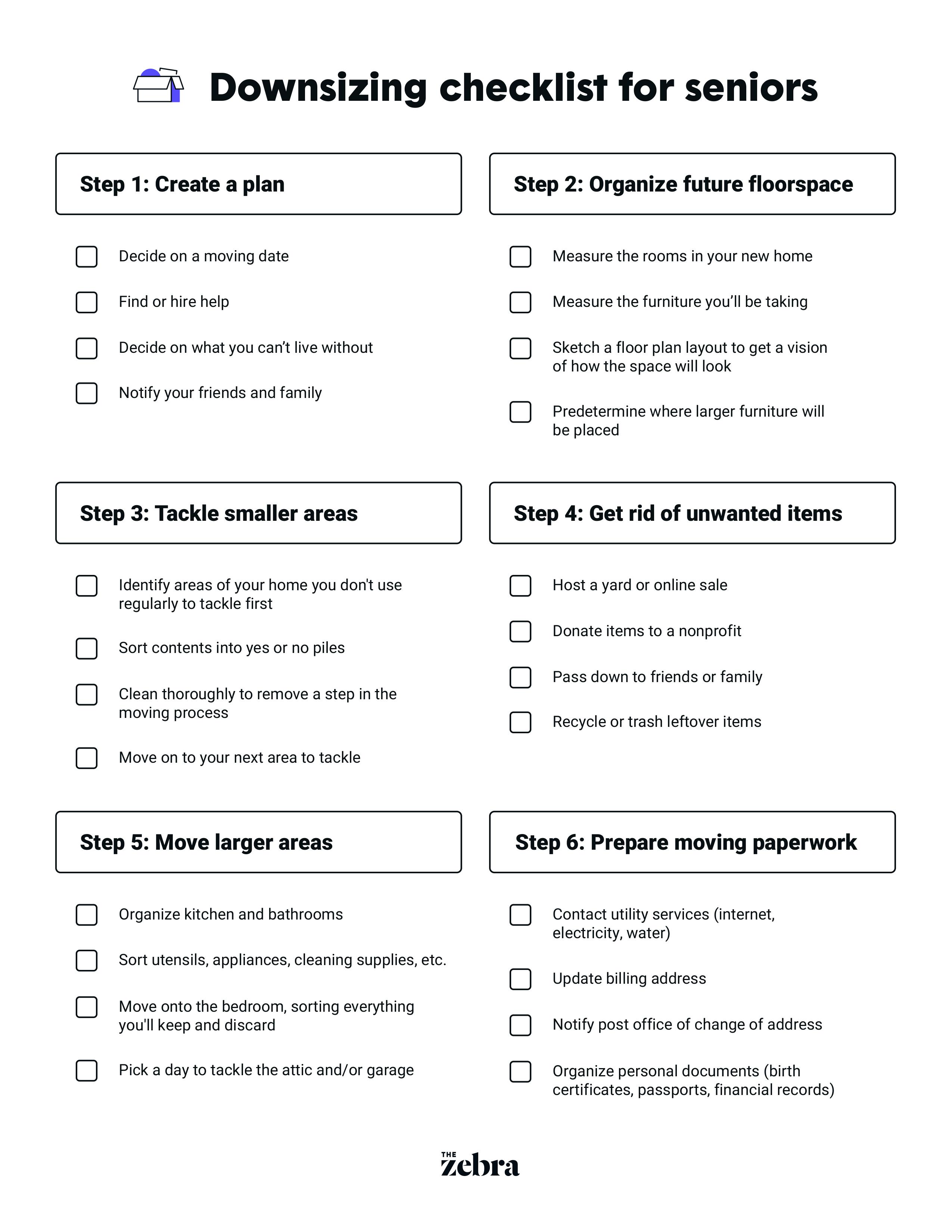
Many people believe that downsizing is going to make life simpler, but often times they forget to consider the functions that are really important to their lifestyle. If you love to entertain but are moving into a new home with less space for hosting, you may need to eliminate some special traditions. If you don’t find a new home that still allows you to do the things you enjoy most, it might be better to keep looking for one that can.
They Assume Their Furniture Will Fit
All the furniture in a four-bedroom home will never fit into a two-bedroom condo. But you should also be aware that not every piece of furniture will fit into your new space. Measure the doorways to make sure your old furniture will fit through the door. When buying new furniture, the sales associates will most likely remind you to take measurements of entryways — including elevators and stairwells — for delivery. However, take out that tape measure to ensure a smooth move-in day for any old furniture.
They Don’t Declutter Enough
Donation piles and garage or estate sales are a great idea when downsizing, but many people neglect to get rid of enough things to organize their new space easily. Think quality over quantity - select one statement piece that brings you the most joy and build your home around it. Keep a few heirlooms or cherished pieces along with purchasing new items that will easily fit the smaller layout to combine the old with the new when downsizing. When too many clothes creates an issue, it is recommended if you haven’t worn something in two seasons…donate or sell it. If you are moving from a colder climate to a more temperate climate, you may not be needing heavy coats. Install a closet system in your new home to help stay organized as soon as you move in.
Downsizing or Sizing Just Right?
If downsizing is the next chapter in your life, you want to make it “Happily Ever After!” More space allows for more things, but you can easily live the life you want with less of both. You don’t need to completely change your lifestyle. It is more important to size right than just downsize. Part with the things you don’t actually need…but be sure to keep what is most important to you!
Mark Maraglia
Seniors Real Estate Specialist (SRES)
508.272.8761
markm@exitpremier.com
www.markmaraglia.com
Seniors looking to downsize have several options:
• Buying a smaller house or condo with home modifications applied as necessary
• Renting a smaller home
• Moving in with a loved one (adult child, sibling, etc.)
• Moving into a retirement community
• Finding in-home care services
Why Downsize?
• Cut costs. Most retirees are on a limited or fixed income, but there are still incidentals that are hard to predict, like healthcare costs, home repairs, and travel. Reducing your monthly expenses by moving into a smaller, less expensive space saves on mortgage payments, home insurance, and property taxes. It can also mean lower utility and repair bills.
• Simplify your lifestyle. The less you have, the less you have to maintain. Your grandkids may love your pool and sprawling lawn, but it’s a lot to take care of as you get older.
• Logistics. Things like stairs, multiple levels, outdated bathrooms, or long driveways and walkways become more dangerous as we age. Moving to a one-floor space that’s easy to access and navigate can help you age in place longer.
• Family. You might move later in life to be closer to your children, grandchildren, and other relatives who can help you age in place.
• Medical needs. Seniors with chronic conditions or needing more frequent medical care may need to relocate to be near their doctor or adult day care. Or, they might need to move into a space that can accommodate specific medical equipment.
• Better weather. One study shows that 25 percent of older adults plan to move to a warmer climate. Just don’t forget to pack the sunscreen!